

If you run a baby boutique, you already know this:
Not every product you stock will sell — even if it looks perfect on paper.
Working closely with boutique owners and wholesale skincare distribution over the years, one pattern shows up consistently. Stores that rely on intuition tend to struggle. Stores that follow a structured inventory system tend to grow.
I’ve seen boutiques invest heavily in premium brands like Mustela and still experience slow turnover. In most cases, the issue was not the product — it was how the inventory was built.
In one case, a boutique carried over 25 Mustela SKUs but generated most of its revenue from just five core products. After restructuring the inventory to focus on those high-performing items and reducing slow movers, their monthly turnover improved within a few restocking cycles.
That’s the difference strategy makes.
If you’re working with mustela wholesale for baby boutiques, the goal is not to stock more. The goal is to stock what sells — consistently.
Why Mustela Wholesale Is Perfect for Baby Boutiques
Mustela has built long-term trust in the baby skincare category, and that trust translates directly into predictable sales.
From a wholesale perspective, products that perform well usually share three characteristics:
- They are recommended or trusted by parents
- They solve everyday problems (cleansing, hydration, protection)
- They are repurchased frequently
Mustela fits all three.
In boutique environments, where customer relationships matter, this creates a strong advantage. Products that customers trust reduce the need for aggressive selling and increase repeat visits.
This is why many boutique owners focus specifically on mustela wholesale for baby boutiques when building a reliable product category.
Understanding Your Baby Boutique Customer Before You Buy
Inventory decisions should always start with the customer.
In most baby boutiques, purchasing behavior follows clear patterns:
- Parents prioritize safety and familiarity
- Gift buyers look for recognizable, premium brands
- Repeat customers prefer products they already trust
What’s important here is predictability.
Customers in this segment do not experiment as much as in other categories. They return to what works.
That means your inventory should be built around:
- Core essentials
- Recognizable products
- Clear choices
When boutiques introduce too many variations too early, it often slows down decision-making and reduces conversion rates.
A focused inventory performs better than a broad one.
Mustela Wholesale for Baby Boutiques – The Exact Inventory Formula
Step 1 – Start With Proven Best-Sellers
Across multiple boutique environments, a small group of Mustela products consistently drives the majority of sales.
These typically include:
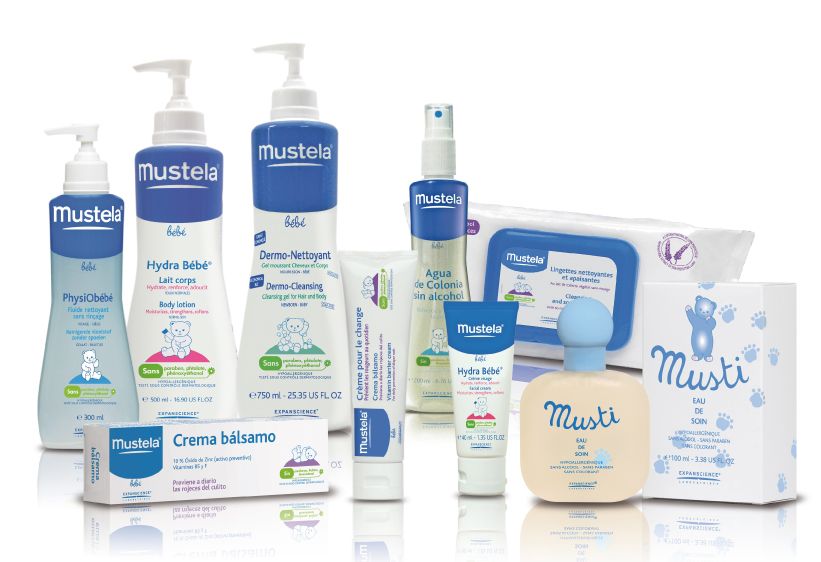
- Mustela Gentle Cleansing Gel
- Mustela Hydra Bébé Body Lotion
- Mustela Vitamin Barrier Cream
- Mustela Stretch Marks Cream
These products are used daily, recommended frequently, and reordered regularly.
From a sales perspective, they form the core of a high-performing inventory.
Step 2 – Balance Your Inventory (Fast vs Slow Movers)
One of the most effective ways to stabilize revenue is to structure inventory based on product movement.
A practical distribution model used by many successful boutiques is:
- 60–70% fast-moving essentials
- 20–30% mid-range products
- 10% niche or specialty items
Fast movers generate consistent cash flow. Mid-range products support margin. Niche items add variety without dominating inventory.
When this balance is off, either sales slow down or capital gets tied up in unsold stock.
Step 3 – Build a Product Tier Strategy
Customer spending behavior varies.
Some buyers want quick, affordable solutions. Others are willing to spend more for premium options.
A structured inventory includes:
- Entry-level products for frequent purchases
- Mid-range products for steady margins
- Premium products for higher-value transactions
This allows boutiques to serve different customer segments without complicating the buying process.
Step 4 – Buy Based on Demand, Not Assumptions
One of the most common mistakes in boutique sourcing is relying on personal preference instead of sales data.
Products that look appealing are not always the ones that sell fastest.
Experienced buyers look at:
- Reorder frequency
- Customer feedback
- Competitor inventory trends
This data-driven approach reduces risk and improves inventory efficiency.
Step 5 – Test Before Scaling Inventory
Even with strong brands, testing is standard practice.
Markets vary. Customer preferences differ.
Instead of committing to large orders immediately, successful boutiques:
- Start with smaller quantities
- Monitor sales performance
- Scale based on actual demand
This reduces overstock risk and improves long-term planning.
Common Inventory Mistakes Baby Boutiques Make (And How to Avoid Them)
Overstocking Slow-Moving Products
Excess inventory reduces flexibility and ties up working capital.
Choosing Variety Over Demand
Too many options can slow decision-making and reduce sales efficiency.
Ignoring Customer Preferences
Inventory should reflect actual buying behavior, not assumptions.
Buying Without a Pricing Strategy
Profitability depends on clear cost and pricing alignment before purchase.
These issues frequently appear in early-stage sourcing decisions, especially when working with mustela wholesale for baby boutiques without a structured plan.
How to Price Mustela Products for Maximum Profit
Pricing should be consistent, predictable, and aligned with your market.
A practical approach includes:
- Standard markup across core products
- Competitive positioning within your niche
- Bundling complementary products to increase order value
For example, pairing a cleanser with a lotion can increase average transaction size while improving customer experience.
Why Supplier Choice Matters More Than Product Choice
Even with the right inventory strategy, supplier reliability directly impacts business performance.
Inconsistent supply leads to:
- Stockouts
- Delayed restocking
- Lost sales opportunities
Reliable sourcing ensures:
- Product authenticity
- Stable availability
- Predictable pricing
For boutiques working with mustela wholesale for baby boutiques, supplier consistency often determines long-term success more than product selection itself.
How Lamire Cosmetics Supports Boutique Inventory Growth
From a wholesale perspective, stability and consistency are key.
Lamire Cosmetics focuses on:
- Verified product sourcing
- Competitive wholesale pricing structures
- Consistent product availability
- Support for boutique inventory planning
This allows boutique owners to focus on sales and customer experience rather than sourcing challenges. We follow baby skincare safety guidelines and cosmetic product safety regulations.
Building a System That Scales
Sustainable boutique growth comes from systems, not guesswork.
When inventory decisions are based on:
- Proven product performance
- Balanced stock structure
- Clear pricing strategy
- Reliable sourcing
Results become predictable.
Over time, this consistency builds stronger customer retention, better cash flow, and scalable growth.

Frequently Asked Questions
What are the best Mustela products for baby boutiques?
Core essentials such as cleansing gels, lotions, and barrier creams tend to perform consistently.
How much inventory should a boutique start with?
Start with manageable quantities and scale based on sales data.
Is Mustela profitable for small baby stores?
Yes, when supported by proper sourcing, pricing, and inventory planning.
How do I choose a reliable Mustela wholesale supplier?
Look for consistent supply, verified sourcing, and transparent pricing.
How often should I restock Mustela products?
Restocking frequency depends on sales velocity, but fast-moving items often require frequent replenishment.
Conclusion: Build for Consistency, Not Just Sales
The difference between a boutique that grows and one that struggles is not the brand.
It is how inventory decisions are made.
When you approach mustela wholesale for baby boutiques with a structured system, you reduce risk, improve margins, and create a business that performs consistently over time.
The goal is not to stock more.
The goal is to stock smarter.
Next Post: Common Mistakes Buying Mustela Wholesale Beginners Always Make (And How to Fix Them Fast)
