If you run a beauty store or online skincare business, you already know something:
Margins in cosmetics are tight.
What most retailers don’t realize is that wholesale pricing is not fixed — it’s structured around volume, stability, and operational reliability.
After working directly with independent retailers, online skincare sellers, and international distributors for years, I can confidently say:
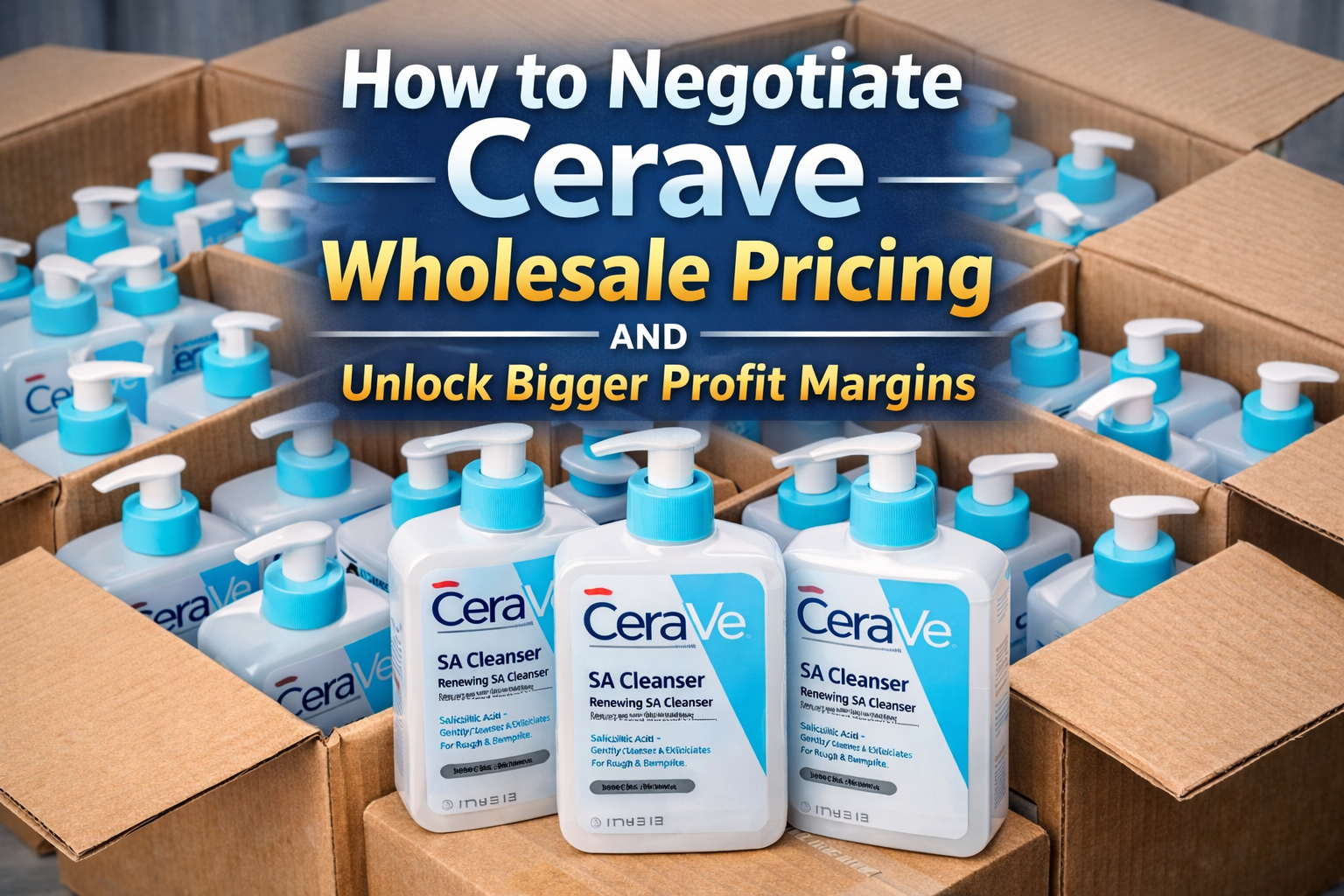
The retailers who understand how to negotiate cerave wholesale pricing correctly build stronger, more scalable businesses than those who simply accept standard rates.
This article is not about aggressive bargaining.
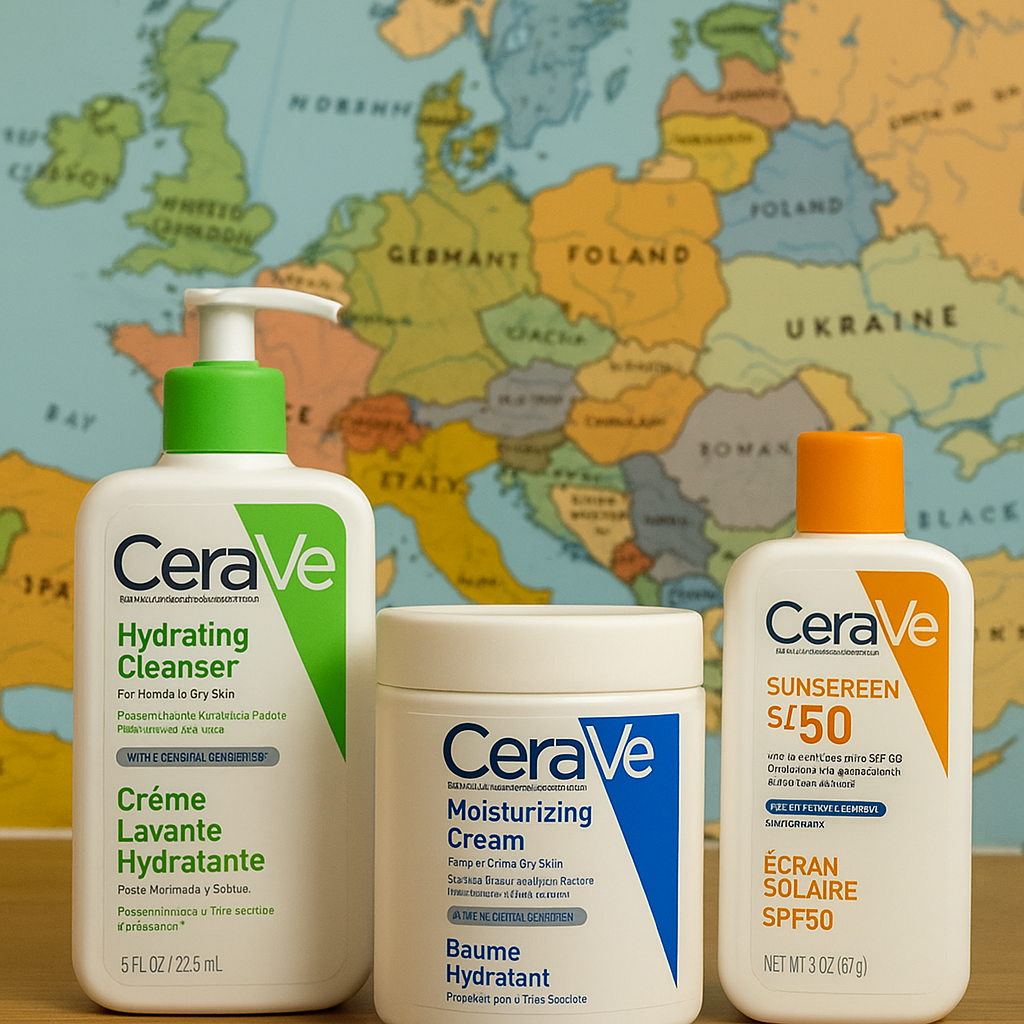
It’s about professional wholesale negotiation built on structure, preparation, and long-term supplier relationships — specifically for CeraVe wholesale skincare products such as:
- SA Cleanser
- Hydrating Cleanser
- Moisturizing Cream
- Acne-focused treatment lines
These are high-demand, repeat-purchase SKUs — and they require smart sourcing strategy.
Why Wholesale Pricing Is Structured — Not Random
CeraVe products move through a professional distribution chain:
Manufacturer → Authorized Distributor → Wholesale Supplier → Retailer
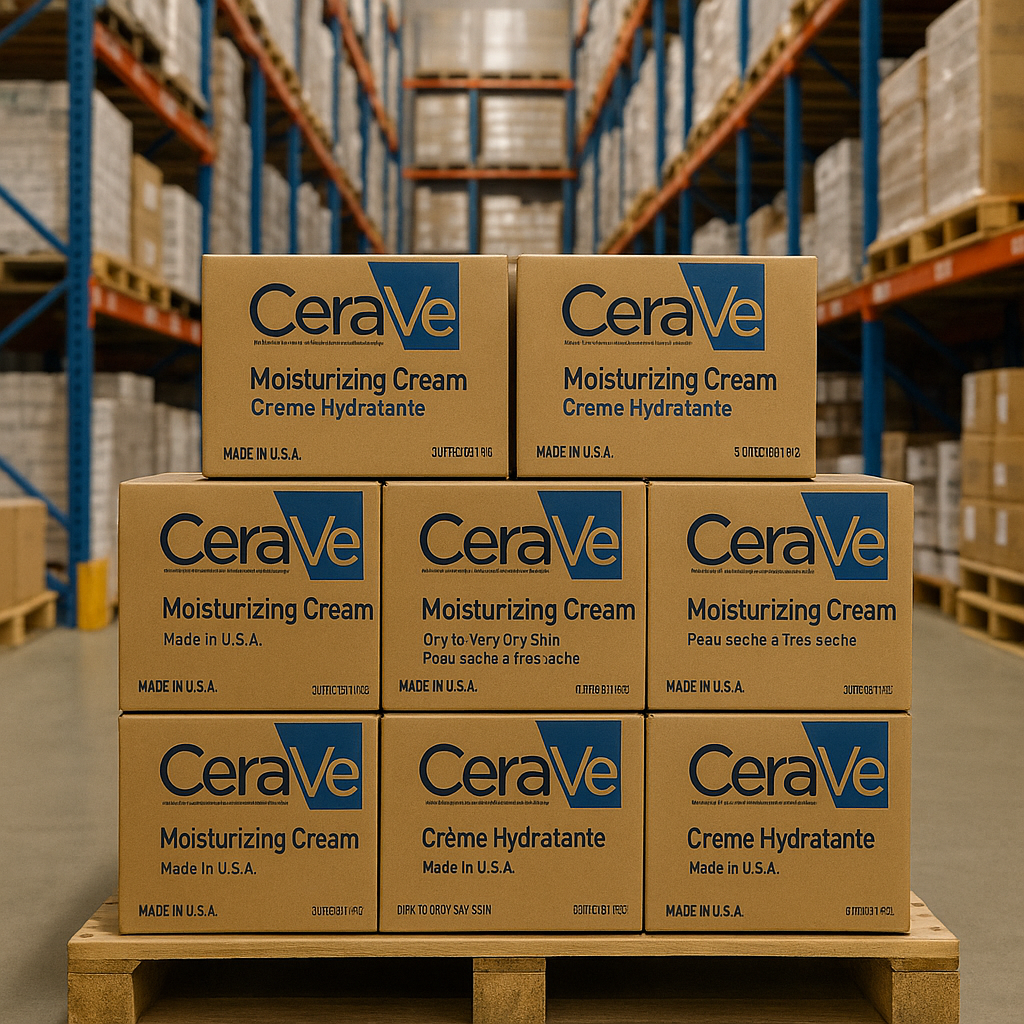
Each level includes logistics, storage, handling, and compliance standards.
When evaluating cerave wholesale supplier pricing, your cost reflects:
- Case quantity
- Order frequency
- Inventory stability
- Freight and logistics costs
- Payment terms
- Supply chain reliability
Professional distributors don’t set pricing arbitrarily. They structure it based on operational efficiency and risk management.
Retailers who understand this framework are in a stronger position to negotiate cerave wholesale pricing strategically, rather than emotionally. Read the CeraVe official brand information.
Experience Insight: The Margin Difference Most Retailers Miss
Over the years, I’ve seen retailers focus heavily on retail price — but ignore acquisition strategy.
Here’s a practical example:
If your wholesale cost is $8.75 and you negotiate it to $8.00, that $0.75 improvement per unit becomes:
- $300 per month at 400 units
- $3,600 per year
Now multiply that across multiple CeraVe SKUs.
This is why structured buyers prioritize learning how to negotiate cerave wholesale pricing for resale.
Small adjustments create measurable long-term growth.
Step 1 – Prepare Before You Negotiate Cerave Wholesale Pricing
Professional negotiation begins before the conversation.
Before contacting a supplier, calculate:
- Your target retail pricing model
- Platform fees (Amazon, Shopify, etc.)
- Acceptable gross margin
- Sell-through rate
- Inventory turnover cycle
Retailers who clearly understand their numbers approach negotiation from a position of competence — not guesswork.
This demonstrates business maturity, which strengthens your ability to negotiate cerave wholesale pricing effectively.
Step 2 – Understand Supply Stability and Operational Risk
Skincare products require proper storage and handling.
Responsible wholesale suppliers maintain:
- Controlled storage conditions
- Batch code traceability
- Shelf-life tracking
- Packaging integrity
Negotiation must consider supply reliability, not just price.
Unstable supply chains may offer lower prices but increase:
- Expiration risk
- Shipping delays
- Stock inconsistencies
- Reputation damage
Experienced retailers balance pricing discussions with operational reliability.
That balance builds sustainable margin protection. Read about salicylic acid skincare benefits.
Step 3 – Use Professional, Structured Communication
Wholesale negotiation is not confrontation.
It is structured dialogue.
Instead of requesting arbitrary discounts, experienced buyers say:
“We are planning recurring case orders. Is there improved pricing available at higher volume tiers?”
This communicates:
- Growth intent
- Predictable purchasing
- Long-term alignment
Retailers who communicate professionally are far more successful when they negotiate cerave wholesale pricing without disrupting supplier relationships.
Advanced Wholesale Negotiation Strategies
1. Volume-Based Structuring
If you increase case quantities or commit to monthly ordering cycles, you improve your negotiation leverage.
Structured volume discussions are more effective than single-order discount requests.
2. Multi-SKU Bundling
Negotiating multiple CeraVe SKUs together strengthens your position.
This approach is commonly used by experienced retailers who negotiate cerave distributor pricing tiers strategically.
3. Payment Term Flexibility
Faster payment cycles reduce supplier risk.
Lower risk often improves pricing discussions.
This is a professional strategy — not a pressure tactic.
Common Mistakes That Undermine Negotiation Power
Retailers weaken their position when they:
- Demand unrealistic price cuts
- Ignore freight cost impact
- Change suppliers frequently
- Focus only on per-unit price
- Fail to calculate true net margin
Wholesale pricing is a relationship-based structure.
Professional behavior earns professional flexibility.
Compliance and Trust Considerations in Wholesale Skincare
Responsible retailers ensure:
- Products are authentic
- Packaging remains sealed
- Labeling complies with regulations
- Platform resale policies are respected
Maintaining compliance protects brand reputation and customer trust.
Trust is an asset in beauty retail.
Retailers who approach suppliers responsibly are more likely to receive favorable pricing discussions when they negotiate cerave wholesale pricing long term. Read the FDA cosmetic labeling guidelines.
Why Long-Term Supplier Alignment Matters
Wholesale growth is built on:
- Predictable order cycles
- Transparent communication
- Reliable inventory planning
- Mutual business growth
At Lamire Cosmetics, we support structured wholesale buyers who demonstrate long-term retail planning rather than one-time price chasing.
Stable buyers receive structured conversations.
Structured conversations create margin opportunities. Are you looking to request structured wholesale pricing from a trusted wholesale skincare supplier.
Realistic Pricing Expectations
When negotiating:
- Expect modest, sustainable per-unit improvements.
- Avoid unrealistic pricing demands.
- Focus on total cost (including freight and payment terms).
Professional wholesale environments prioritize sustainability over volatility.
That mindset is what separates scalable retailers from short-term buyers.
Frequently Asked Questions
Can small retailers negotiate cerave wholesale pricing?
Yes — especially when demonstrating recurring purchase intent and structured growth.
How much pricing improvement is realistic?
Small per-unit improvements are common. Large unsustainable cuts are not.
Should I negotiate unit cost or shipping?
Both matter. In some cases, shipping consolidation reduces total cost more than unit price changes.
Does higher volume always improve pricing?
In structured distribution systems, recurring higher volume often strengthens negotiation position.
Final Takeaway: Leverage Is Built, Not Demanded
Learning how to negotiate cerave wholesale pricing is not about pressure.
It’s about:
- Preparation
- Predictability
- Professionalism
- Compliance awareness
- Long-term partnership
Retailers who treat wholesale as a strategic system — not a transaction — unlock stronger profit margins over time.
CeraVe remains a high-demand skincare category with consistent consumer trust.
Sourcing it correctly, negotiating responsibly, and protecting your margin structure creates durable growth.
If you’re building your CeraVe wholesale skincare inventory through Lamire Cosmetics, approach the relationship with structure and transparency — and pricing discussions will follow naturally.
Sustainable margin growth comes from disciplined strategy, not aggressive discount requests.
Next Post: Cerave SA Cleanser Wholesale Buying Blueprint – Step-by-Step for Retailers and Online Stores

Comment (1)
[…] Next Post: How to Negotiate Cerave Wholesale Pricing and Unlock Bigger Profit Margins […]