
If you’ve ever looked at Amazon, big pharmacies, or global beauty chains and thought (How to Sell CeraVe Skincare Products),
“Why would anyone buy CeraVe from me instead of them?”
you’re asking the right question.
I’ve worked in cosmetic product sourcing and resale long enough to see this pattern repeat:
Small sellers don’t fail because CeraVe doesn’t sell.
They fail because they approach a professional brand like amateurs.
This guide exists to change that.
What follows is not theory, trends, or influencer advice. It’s built from real vendor experience, real sourcing constraints, real customer behavior, and the realities of selling a dermatologist-trusted skincare brand in crowded markets.
Understanding the CeraVe Market From a Vendor’s Perspective
CeraVe is not just popular — it is institutionally trusted.
It sits at the intersection of:
- Medical recommendation
- Mass-market accessibility
- Long-term brand protection
That combination creates a market where:
- Demand is extremely high
- Price competition is intense
- Trust and legitimacy matter more than discounts
This is why learning how to sell CeraVe skincare products is less about “marketing hacks” and more about operating like a responsible retailer.
In 2026, CeraVe is not a brand you flip casually. It’s a brand you either sell correctly — or not at all.
Who Buys CeraVe (And Why Small Sellers Still Win)
One of the biggest misconceptions is that “everyone buys CeraVe the same way.”
They don’t.
Dermatology-Directed Buyers
These customers:
- Were advised by a dermatologist or pharmacist
- Care deeply about authenticity
- Are risk-averse
They will pay more to avoid doubt.
Ingredient-Aware Skincare Buyers
These buyers:
- Understand ceramides, niacinamide, salicylic acid
- Compare routines, not just prices
- Ask questions before purchasing
They respond to education, not advertising.
Convenience Buyers
They want speed and familiarity.
Large retailers dominate this segment — and small sellers should not compete here.
Small sellers win by focusing on trust-driven buyers, not impulse buyers.
How to Sell CeraVe Skincare Products Without Price Wars
Here is a hard truth learned the expensive way:
Price competition destroys small sellers faster than slow sales.
I’ve seen sellers:
- Undercut large retailers
- Increase volume
- Still lose money
Why?
Because margins collapsed, returns increased, and customer trust eroded the moment something went wrong.
When people ask how to sell CeraVe skincare products in competitive markets, the correct answer is:
You don’t win by being cheaper.
You win by being clearer, calmer, and more credible.
Credibility sells skincare.
Choosing the Right CeraVe Products as a Small Seller
Product selection is a trust decision, not just a sales decision.
Products That Work Best for Small Sellers
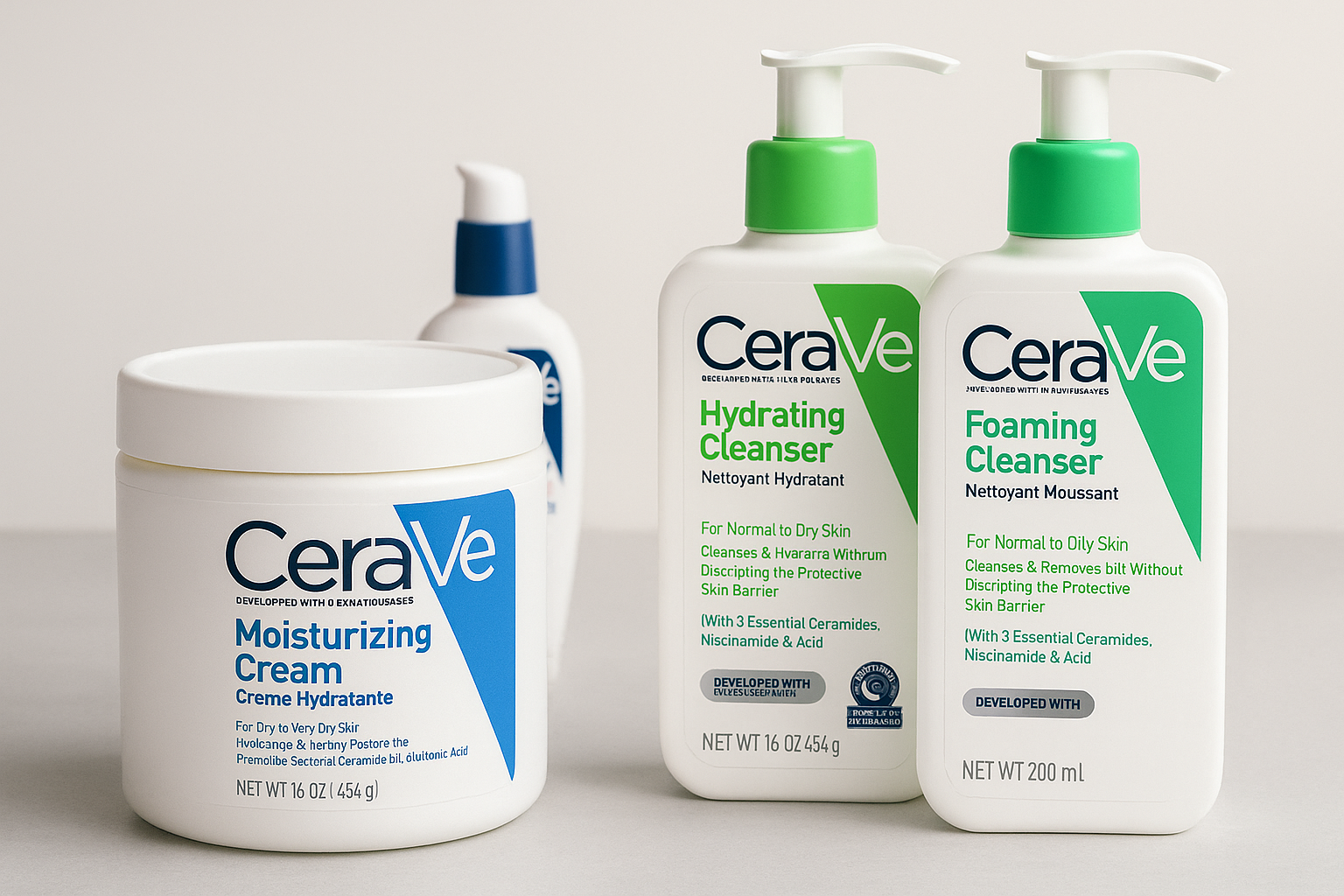
- Foaming Cleanser
- Hydrating Cleanser
- Moisturizing Cream
These products:
- Have consistent demand
- Are well understood by buyers
- Carry lower complaint risk
They are ideal for building early reputation.
Products Small Sellers Should Delay
- Overcrowded SKUs with razor-thin margins
- Bundles that attract counterfeit suspicion
- Specialty lines without proper customer education
Professional sellers grow slowly and safely, not aggressively and blindly.
Sourcing CeraVe Responsibly (Where Expertise Matters Most)
Most sellers who fail don’t fail at marketing — they fail at sourcing.
Learning how to sell CeraVe skincare products legally and safely starts with accepting this reality:
You are not buying from the brand directly.
Legitimate sourcing typically involves:
- Authorized regional distributors
- Licensed cosmetic wholesalers
- Verified import channels
Every sourcing decision must balance:
- Cost
- Documentation
- Supply consistency
- Authenticity risk
At Lamire Cosmetics, we learned early that low pricing without traceability is a liability, not an advantage.
Authenticity: The Core of Trustworthiness
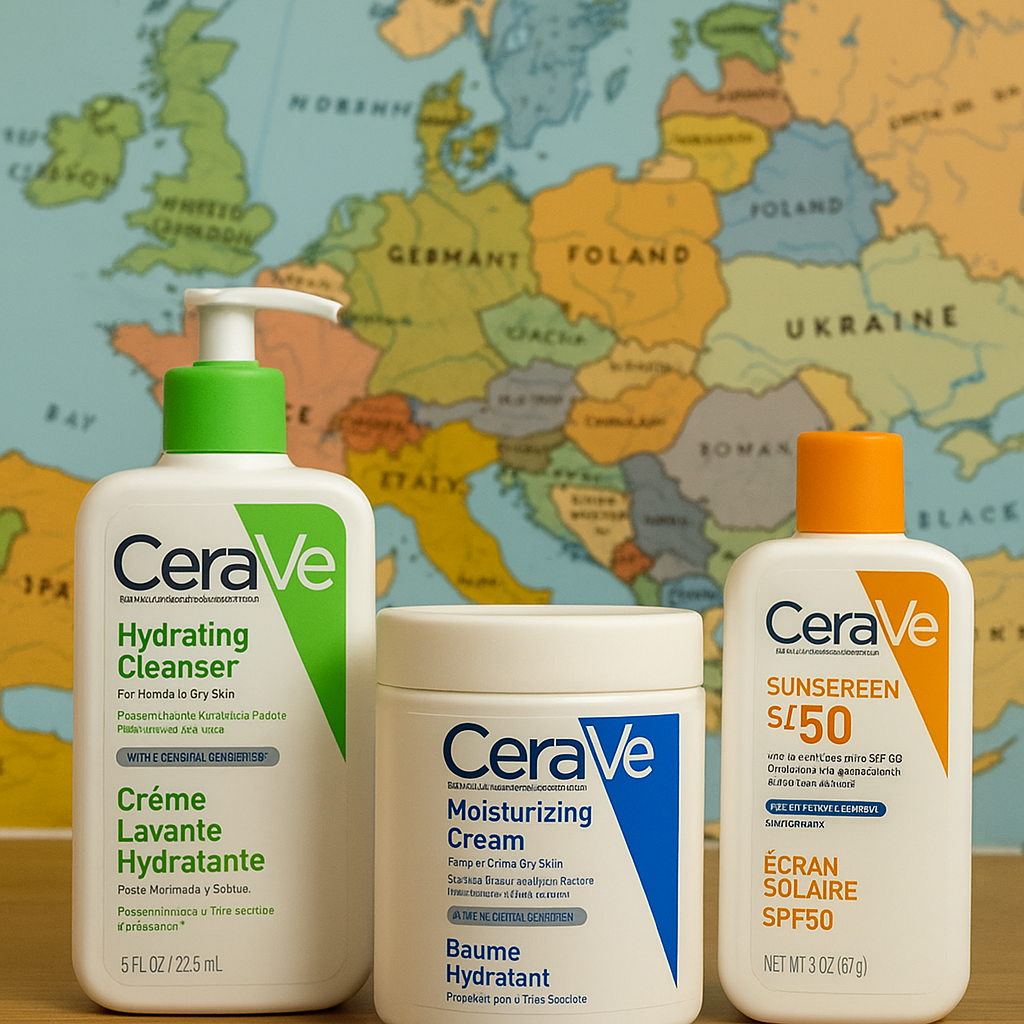
CeraVe is among the most counterfeited skincare brands worldwide.
This is not speculation — it is an industry reality.
As vendors, we’ve seen:
- Convincing packaging
- Realistic batch codes
- Fake documentation
That’s why responsible sellers:
- Avoid exaggerated claims
- Communicate authenticity calmly
- Provide transparency without defensiveness
Customers don’t want guarantees.
They want confidence rooted in professionalism.
If you want to succeed at how to sell CeraVe skincare products, authenticity communication is not optional — it is foundational.
Selling CeraVe Online Without Looking Generic
Most small sellers look untrustworthy without realizing it.
Why?
Because they copy:
- Generic descriptions
- Manufacturer-style language
- Over-polished claims
Professional online selling requires:
- Original explanations
- Plain, human language
- Clear use-case descriptions
Customers trust sellers who sound experienced, not sellers who sound scripted.
Education as a Long-Term Sales Strategy
In skincare, education builds authority faster than advertising.
Content like:
- “Which CeraVe product suits dry skin?”
- “How to recognize authentic CeraVe packaging”
- “CeraVe cleanser vs moisturizer explained”
Attracts customers who:
- Read
- Understand
- Trust
This is why educational content is central to mastering how to sell CeraVe skincare products sustainably.
Legal and Platform Compliance (Non-Negotiable)
Trust is also legal.
Responsible sellers:
- Do not claim brand ownership
- Avoid medical promises
- Use trademarks correctly
- Clearly identify themselves as resellers
Platforms tolerate learning curves.
They do not tolerate patterns of misrepresentation.
Long-term sellers treat compliance as protection, not restriction.
Common Mistakes That Undermine Small Sellers
From experience, the most damaging mistakes include:
- Competing solely on price
- Overordering inventory
- Ignoring authenticity communication
- Copying large retailers
- Selling without understanding buyer intent
Every one of these mistakes signals inexperience to customers — and to Google.
Is Selling CeraVe Still Worth It in 2026?
Yes — for sellers who approach it professionally.
CeraVe rewards:
- Transparency
- Consistency
- Education
- Respect for the brand ecosystem
It punishes shortcuts.
Small sellers who succeed are not louder — they are clearer.
How Lamire Cosmetics Positions Itself
At Lamire Cosmetics, we do not claim to be the brand.
We do not promise unrealistic margins.
We do not rush inventory decisions.
We position ourselves as:
- Informed cosmetic vendors
- Responsible resellers
- Educators first, sellers second
That positioning builds trust — and trust builds longevity.
Final Authority Statement
Learning how to sell CeraVe skincare products is not about beating global retailers.
It’s about earning buyer confidence where large platforms feel impersonal.
Small sellers don’t win by being cheaper.
They win by being credible, careful, and consistent.
That is how sustainable skincare businesses are built — and that is what Google rewards.
